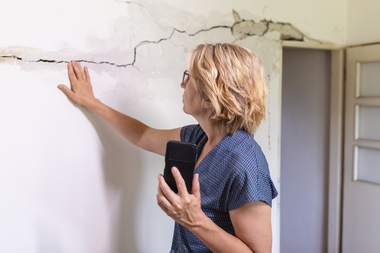
Owning a home comes with many responsibilities, and protecting your property with homeowners insurance is one of the most important. Whether your home suffers storm damage, fire damage, theft, water leaks, or another unexpected event, having the right homeowners insurance policy can help cover costly repairs and replacement expenses.
However, many homeowners are unsure what to do after damage occurs or how to properly file an insurance claim. Knowing the correct steps can help speed up the claims process, improve documentation, and reduce stress during an already difficult situation.
Here’s a step-by-step guide to filing a homeowners insurance claim and protecting your investment.
Step 1: Prevent Additional Property Damage
After discovering damage to your home, your first priority should be safety and preventing the situation from getting worse.
Insurance companies expect homeowners to take reasonable action to minimize additional property damage whenever possible. Temporary repairs may help protect your home until permanent repairs can be completed.
Examples of emergency protective measures include:
Covering broken windows
Placing tarps over roof damage
Shutting off water to leaking appliances or pipes
Removing standing water
Boarding up damaged entry points
Be sure to save all receipts for emergency repairs, supplies, hotel stays, or temporary housing expenses. These costs may be reimbursable under your homeowners insurance policy.
Step 2: Document the Damage Thoroughly
One of the most important parts of the insurance claims process is documenting all damage before cleanup or repairs begin.
Take clear photos and videos of:
Structural damage
Water intrusion
Roof damage
Damaged furniture
Electronics and appliances
Flooring and walls
Personal belongings
Exterior property damage
It is also helpful to create a detailed inventory list that includes:
Item descriptions
Brand names
Approximate purchase dates
Estimated replacement values
The more documentation you provide, the easier it may be for your insurance adjuster to evaluate your claim accurately.
Step 3: Review Your Homeowners Insurance Policy
Before filing a claim, review your insurance coverage carefully to understand what is and is not covered.
Most standard homeowners insurance policies commonly cover:
Fire damage
Wind damage
Hail damage
Lightning strikes
Theft and vandalism
Certain types of water damage
However, some disasters may require separate insurance policies, including:
Flood insurance
Earthquake insurance
Sewer backup coverage
It’s also important to review your deductible. Your deductible is the amount you are responsible for paying before your insurance coverage begins.
For example:
If repairs total $2,000 and your deductible is $1,500, filing a claim may not make financial sense.
If damage totals $25,000 and your deductible is $1,000, filing a claim could provide significant financial protection.
Understanding your policy can help you make informed decisions during the claims process.
Step 4: Contact Your Insurance Company Quickly
Once the damage is documented, contact your homeowners insurance provider as soon as possible to begin the claims process.
Many insurance companies now allow homeowners to file claims through:
Mobile apps
Online portals
Customer service hotlines
When reporting the claim, be prepared to provide:
Date of the incident
Description of the damage
Photos and videos
Inventory lists
Receipts for temporary repairs
Police reports if theft or vandalism occurred
Filing promptly may help accelerate inspections, approvals, and payment timelines.
Step 5: Work with the Insurance Adjuster
After opening the claim, your insurance company will usually assign an insurance adjuster to inspect the property and estimate repair costs.
The adjuster may:
Visit the property in person
Take measurements and photos
Review damage reports
Ask questions about the incident
Request contractor estimates
If you have already received repair estimates from licensed contractors, share those documents with the adjuster. Multiple estimates may help support the value of your claim.
It is helpful to remain organized and responsive throughout this stage of the process.
Step 6: Keep Track of Temporary Living Expenses
If your home becomes temporarily uninhabitable due to severe damage, your policy may include additional living expense coverage.
This coverage may help pay for:
Hotel stays
Temporary rentals
Restaurant meals
Laundry services
Pet boarding
Transportation costs
Always keep detailed receipts and records for all expenses related to displacement from your home.
Step 7: Stay Patient During the Claims Process
Homeowners insurance claims can take time, especially after major storms or natural disasters when insurance companies are handling a large number of claims.
The process may take several weeks or even months depending on:
Severity of the damage
Contractor availability
Claim complexity
Inspection timelines
Documentation requirements
Respond quickly to requests from your insurance company to help avoid unnecessary delays.
What If the Settlement Offer Seems Too Low?
Sometimes homeowners disagree with the insurance company’s repair estimate or settlement offer.
If this happens, homeowners may consider:
Requesting a second review
Providing additional contractor estimates
Hiring a public adjuster
Consulting an attorney in more serious disputes
Understanding your policy and maintaining detailed records can strengthen your position during negotiations.
Final Thoughts
Filing a homeowners insurance claim can feel overwhelming, especially after unexpected property damage. Taking the proper steps early — including documenting damage, protecting your home, reviewing your policy, and communicating quickly with your insurer — can help make the process smoother and less stressful.
For homeowners, protecting your property is one of the most important parts of long-term homeownership. Being prepared before disaster strikes can help you recover faster and protect the value of your home investment.